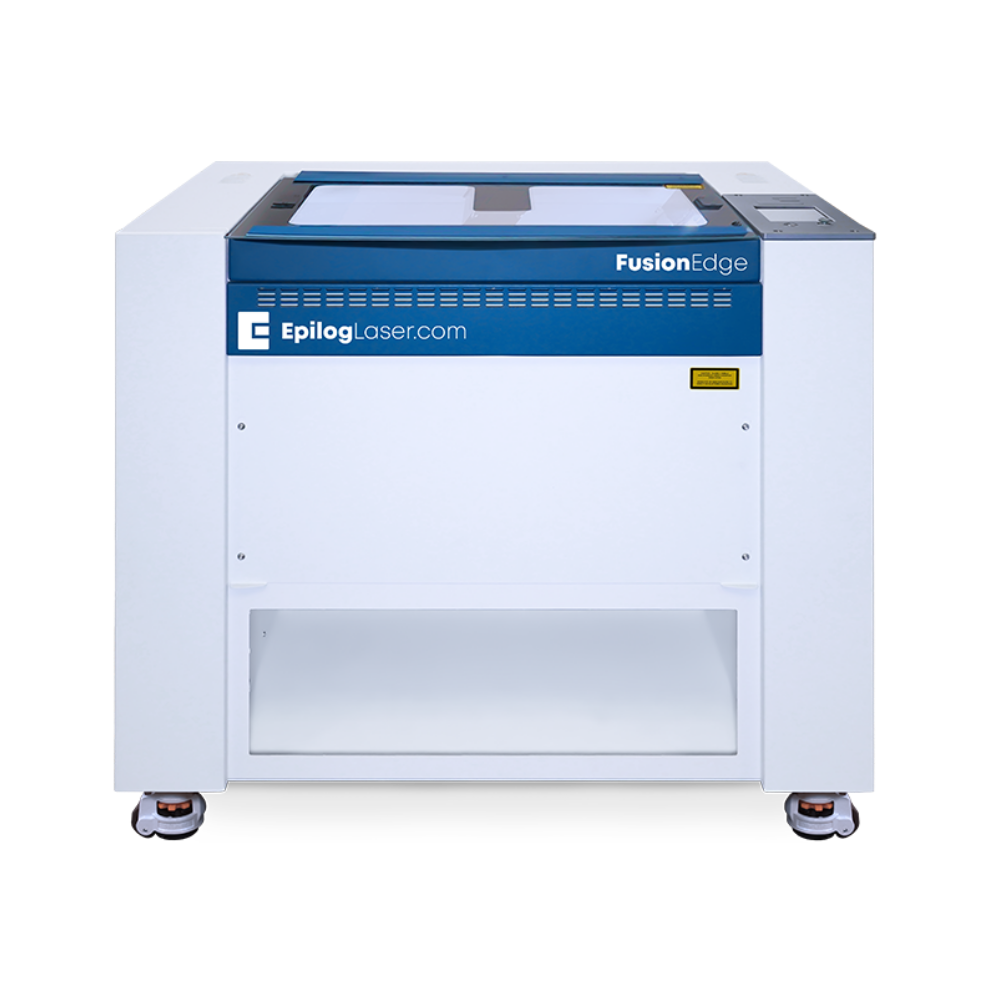
80 Watt Epilog Laser Engraver/Cutter
tool training
Duration: 1 hour 45 min
Class Size: 2 people
Price: $60/person
Ages: 16+ (If younger, guardian must attend and purchase a class seat)
Where: 3765 Plaza Dr, Ann Arbor MI
An introduction to the world of laser cutting. Learn the essentials of laser safety, preparing a file, and engraving/cutting on a piece of baltic birch plywood. We’ll walk you through everything you need, start to finish — from setting up a sample project in Inkscape to cutting out your own custom ruler.
At the end of this single session, you will be certified to use the Epilog Laser Cutter/Engraver on your own.
What have people said about this class?
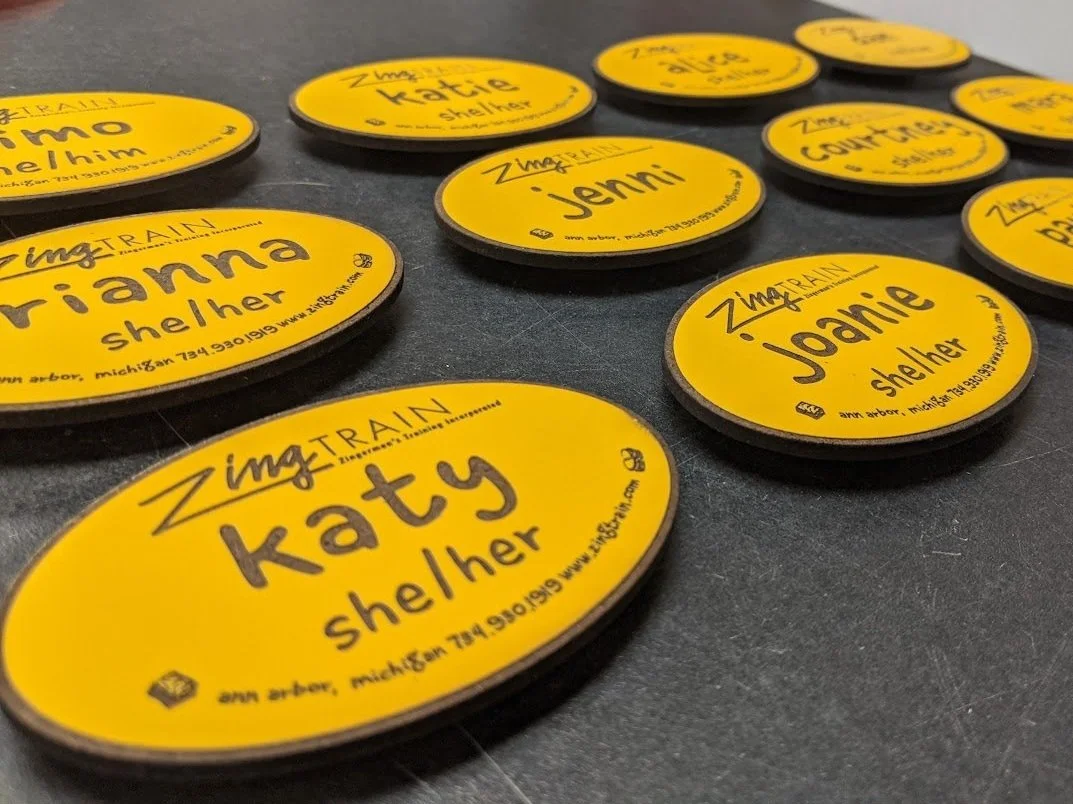
What have people made using this tool?
Click on any of the images below to read a little more!




What materials can be engraved/cut?
-
Cut and engrave any wood! Your only cutting limitation is thickness and hardness of wood — cutting a quarter inch of softer poplar will be great, but half an inch of hard oak or maple will not happen.
Examples of good woods: cork, masonite, poplar, veneer, whiteboard, corian, all solid woods
Example of bad woods: we can't think of any!
-
While there are a plethora of plastics you can both cut and engrave, you have to be cautious when bringing in unknown plastic.
Research if your specific sheet is laser-safe beforehand — if you're not sure, Maker Works staff can do a test for you to check for the presence of chlorine. (This test does not check whether or not your plastic will cut/engrave well, only if it will cut safely.)
Examples of good plastics: acrylic (both cast and extruded, though cast is better), acetal, 1 mm PLA, Formica
Examples of bad plastics: PVC, vinyl, ABS, fiberglass, styrofoam, polycarbonate (such as Lexan)
-
Many natural and synthetic textiles work well with the laser cutter!
Examples of good textiles: cotton, felt (wool and polyester), denim, silk, nylon, leather (especially natural)
Examples of bad textiles: vinyl-based fabrics, PVC-based leather, Spandex/Lycra
-
Like plastics, some foams cut well while others pose challenges and/or safety risks.
Examples of good foams: EVA foam (ethylene vinyl acetate), thinner PE foam (polyethylene), craft foam (usually made of EVA), thin neoprene foam
Examples of bad foams: styrofoam (polystyrene), PVC-based foams
-
Many materials are engravable but not cuttable, either due to safety reasons or it's simply not possible.
Examples of things you can engrave but not cut: anodized aluminum, ceramic, enamel, glass, marble, electronic devices like iPads & Macbooks (who would've guessed?), melamine
-
Does your material not fit under any of the above categories? Don't worry, it may still be laser-safe!
Examples of good miscellaneous materials: papers (cardstock, cardboard, etc.), bone, gingerbread, pumpkin, chocolate
Check the calendar below to find out if there’s already a scheduled class.
If there’s not, or if none of the classes scheduled work for you, request this class!
We’ve responded to over 1200 class requests — it’s the main way we schedule classes.
Specifications:
Engraving Area 24″ x 24″ (80W Epilog), 24″ x 18″ (50W Epilog)
Maximum Material Depth/Thickness 10″ (80W Epilog), 8.5″ (50W Epilog)
Laser Wattage 80 watts & 50 watts
Air Assist Removes heat and combustible gasses from the cutting surface by directing a constant stream of compressed air across the cutting surface.
Red Dot Pointer Since the laser beam is invisible, the Red Dot Pointer allows you to have a visual reference for locating where the laser will fire.
Operating Modes Optimized raster, vector or combined modes with engraving and cutting in one job.
Motion Control System High-speed, continuous-loop, DC servomotors using linear and rotary encoder technology for precise positioning.
Resolution User controlled from 75 to 1200 dpi
Speed and Power Control Computer or manually control speed and power in 1% increments to 100%. Vector color mapping links speed, power, and focus to any RGB color.
Laser System Classification Class 2 Laser Product – 1 mW CW Maximum 600-700 nm.